
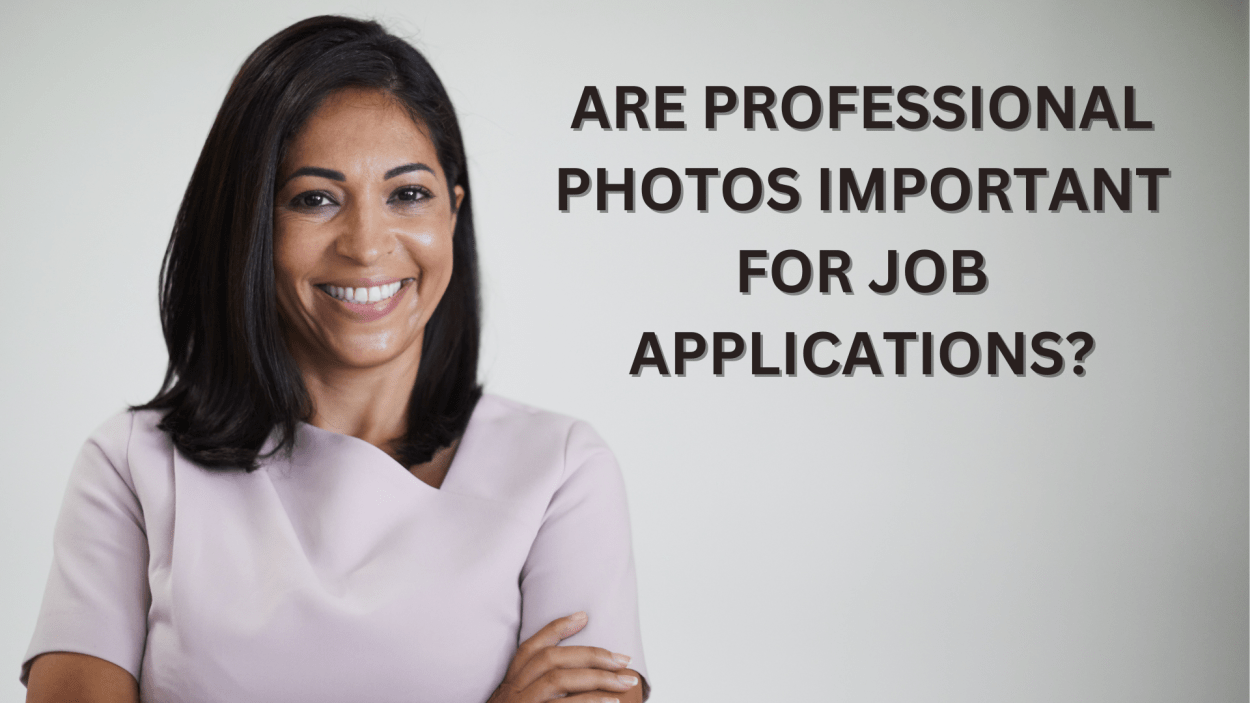
In today’s competitive job market, standing out is more crucial than ever. One way to make a strong first impression is through your job application, and an often-debated element of that is the inclusion of a professional photo. While some argue that a well-crafted resume and cover letter should suffice, others believe that a professional photo can add a personal touch and help candidates appear more approachable and credible. In this article, I will explore whether professional photos are important for job applications, the potential benefits and drawbacks, and how to decide if including one is the right move for your job search strategy.
Pros
Including a professional photo in your job application can be beneficial, especially in today’s digital age. Here’s why:
- First Impressions Matter: Your photo is often the first thing a recruiter sees. A professional headshot creates a positive and polished first impression, showcasing that you are serious about your career.
- Memorability: A good photo can help you stand out from other candidates. It makes you more memorable and increases your chances of being noticed.
- Credibility and Professionalism: A professional photo conveys a sense of credibility and professionalism. It shows that you take pride in your appearance and are serious about your career goals.
- Completeness: Many job application platforms require a photo. Having a professional headshot readily available ensures that you have a complete application.
- Consistency: Using the same professional photo across your online profiles (LinkedIn, portfolio website, etc.) creates a consistent and professional brand.
Cons
However, including a photo in a job application can have some cons, too:
- Unconscious Bias: Photos can introduce unconscious biases related to age, gender, race, and attractiveness. This can unfairly influence a recruiter’s decision, even if they are unaware of their biases.
- Discrimination: In some cases, using a photo in a job application can increase the risk of discrimination based on protected characteristics.
- Distraction: A photo can distract the recruiter from focusing on your qualifications and experience.
- Technical Issues: If you include your photo directly in your resume, it can sometimes cause problems with Applicant Tracking Systems (ATS), which are used by many companies to screen candidates nowadays.
- Cultural Norms: In some cultures, including a photo on a resume is not the norm and may even be considered unprofessional.
Conclusion
It’s important to consider potential drawbacks before deciding to include a photo in your job application. Photos are generally not required for every job application, especially for entry-level positions like cashier or shop assistant. If you’re applying for a job that doesn’t explicitly request a photo, it’s generally best to omit it. However, if the employer asks for a photo, it’s best to comply with their request. If you do choose to include a photo, make sure it is a professional headshot that presents a positive and neutral image.
Tips for a Good Professional Headshot
- Dress professionally: Choose an outfit that is appropriate for the industry you are applying to.
- Good lighting and background: Ensure the photo is well-lit and the background is clean and uncluttered.
- Smile naturally: A genuine smile makes you look approachable and friendly.
- Maintain eye contact: Look directly at the camera to show confidence and engagement.
- Get feedback: Ask a friend or professional for their opinion on your photo.
Don’ts
- No selfies: Selfies often look unprofessional and can convey a lack of seriousness.
- No casual photos: Holiday snaps or party pictures are not suitable for a professional context.
- No outdated photos: Ensure your photo is current and reflects your current appearance.
- No crop outs: Cropping yourself out of a photo (e.g. a family photo, school photo etc.) will look unprofessional and may raise questions about why you chose that particular image.
- No AI: AI models are trained on vast datasets of images, but they may not perfectly understand the nuances of real-world textures, such as human skin. Therefore, AI enhancements (at present) always result in overly processed or artificial-looking images.
Good luck!
You May Also Find Useful:
- How to Make a Great Second Impression
- 5 Easy Tweaks for Maximum Resume Impact
- 5 Resume Mistakes That Will Land You in the Rejection Pile
Do you want to get new posts directly to your mailbox? Subscribe here.
Do you need my personal assistance? Simply send me your resume and a link to your LinkedIn profile at vaclav@getyourdreamjob.co and I will come back to you!
 Get Your Dream Job